

What Fractional Ownership Should Look Like
A clear guide to modern, ownership-based fractional property - and how it differs from other shared-use models
This Guide explains how modern Fractional Ownership works - and why structure has a direct impact on value
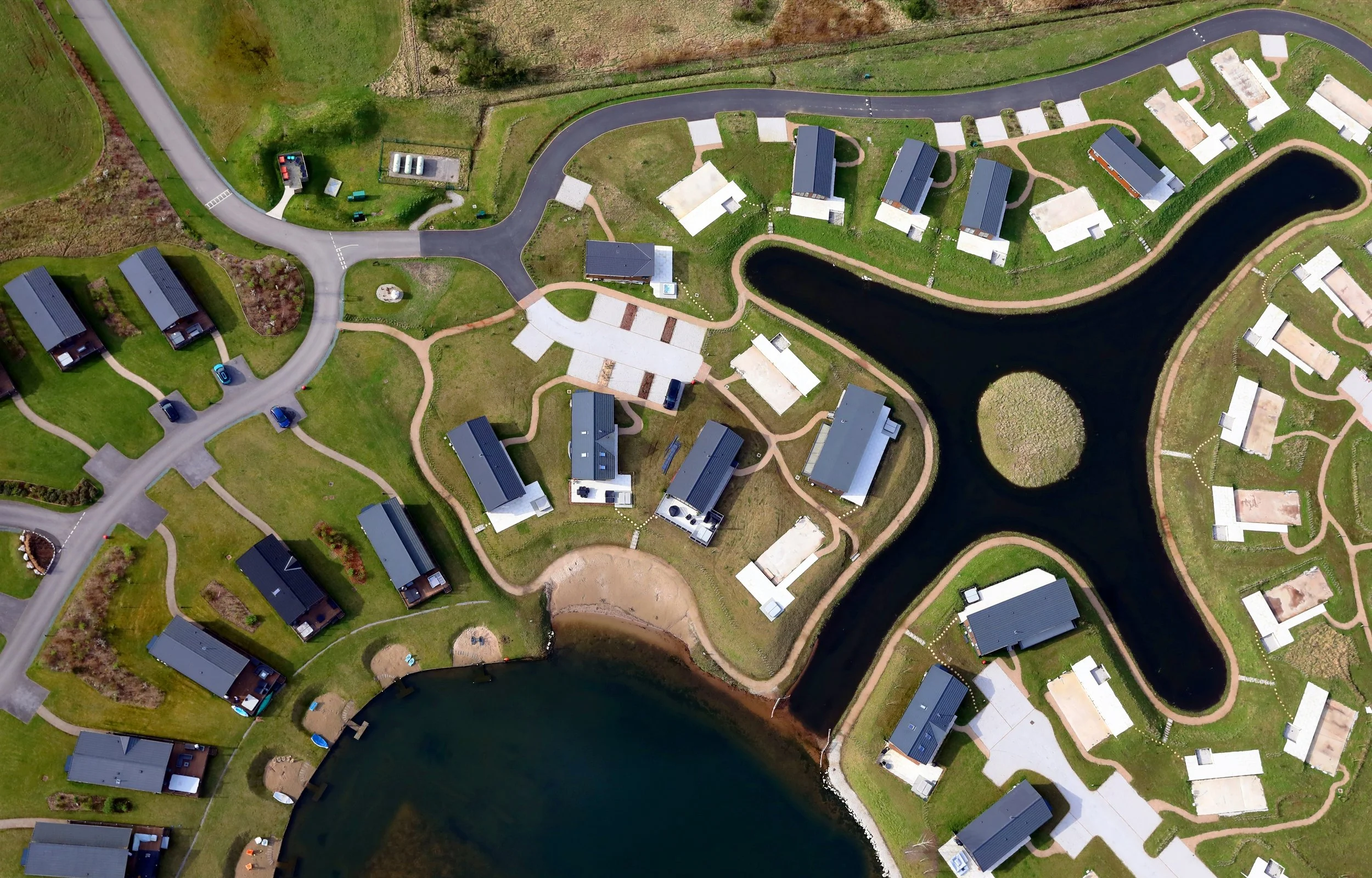
The Principle
True fractional ownership is built around shared ownership of a specific property, with:
• clear structure
• transparent costs
• flexible use arrangements
It is designed to give owners genuine participation and asset ownership, not simply access.
Not all “Fractional Ownership” is the same
The term “fractional” is used widely, and can describe a range of different models.
Some arrangements:
operate with fixed or repeating usage
are highly standardised
focus primarily on access rather than ownership
Understanding these differences is important because
TRUE FRACTIONAL IS NOT TIMESHARE!
But how is it different?
The term "timeshare" is often used as a point of comparison.
While both involve shared use of a property, they are structured in different ways.
Fractional ownership, as described here, is based on shared ownership of a specific property, with flexible arrangements for use and transparent costs.
What True Fractional Looks Like
-
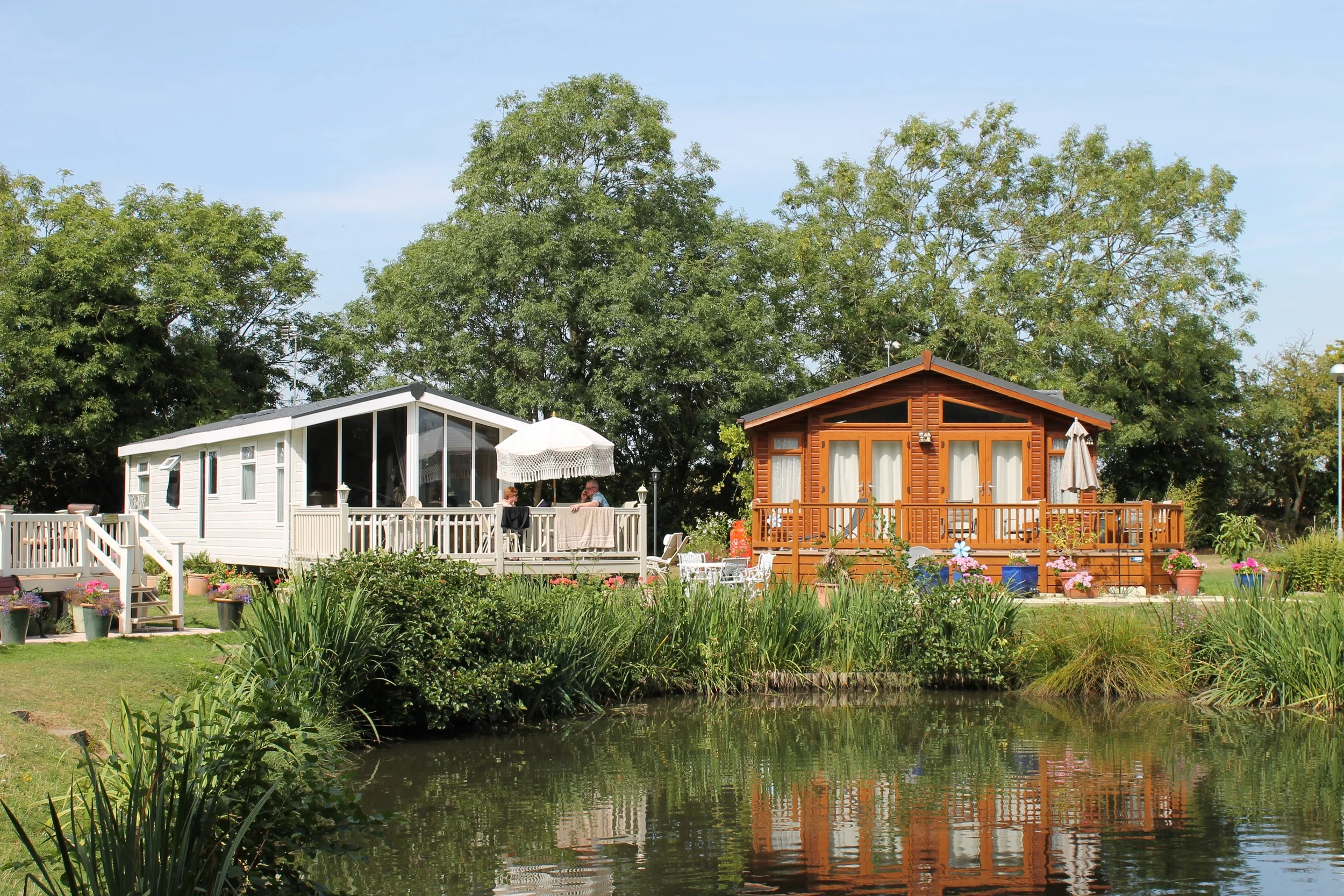
Ownership of a Specific Property
-
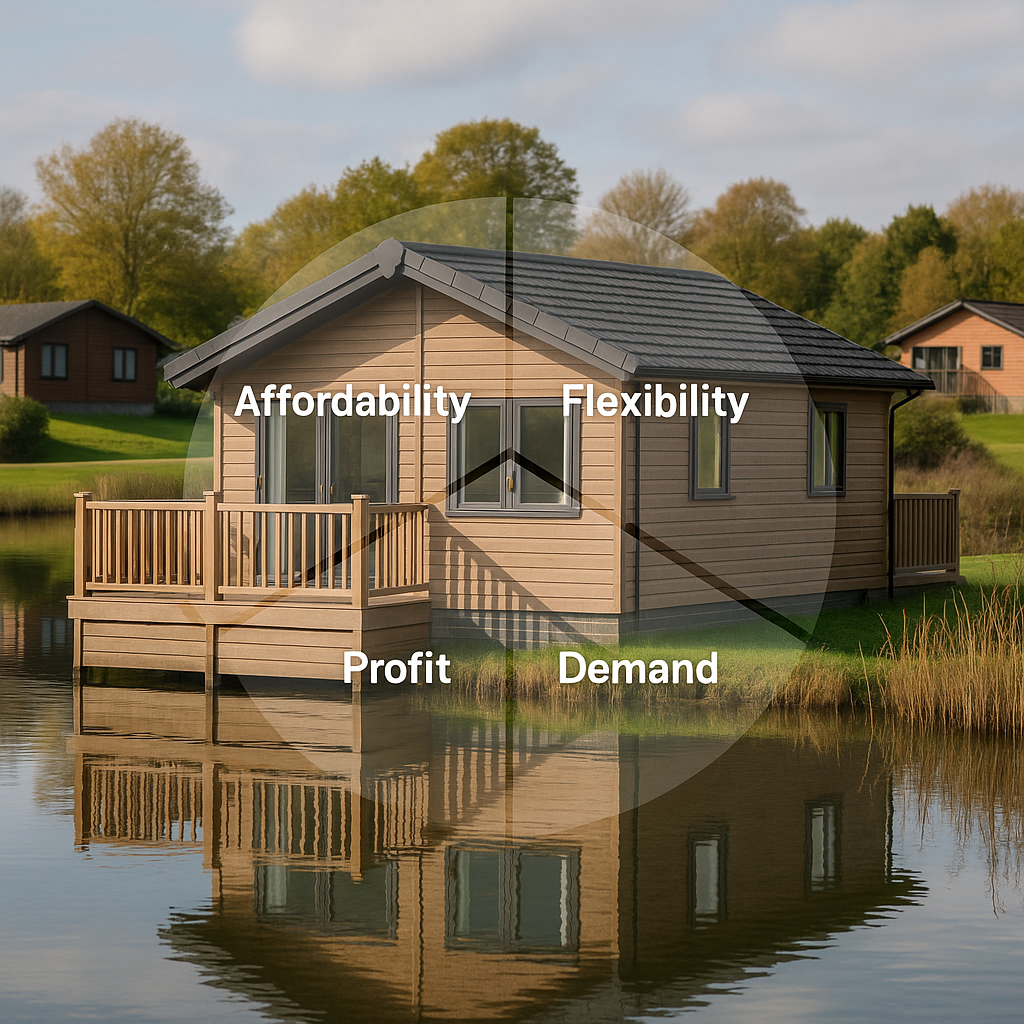
Small Group of Owners
-

Transparent Costs
-
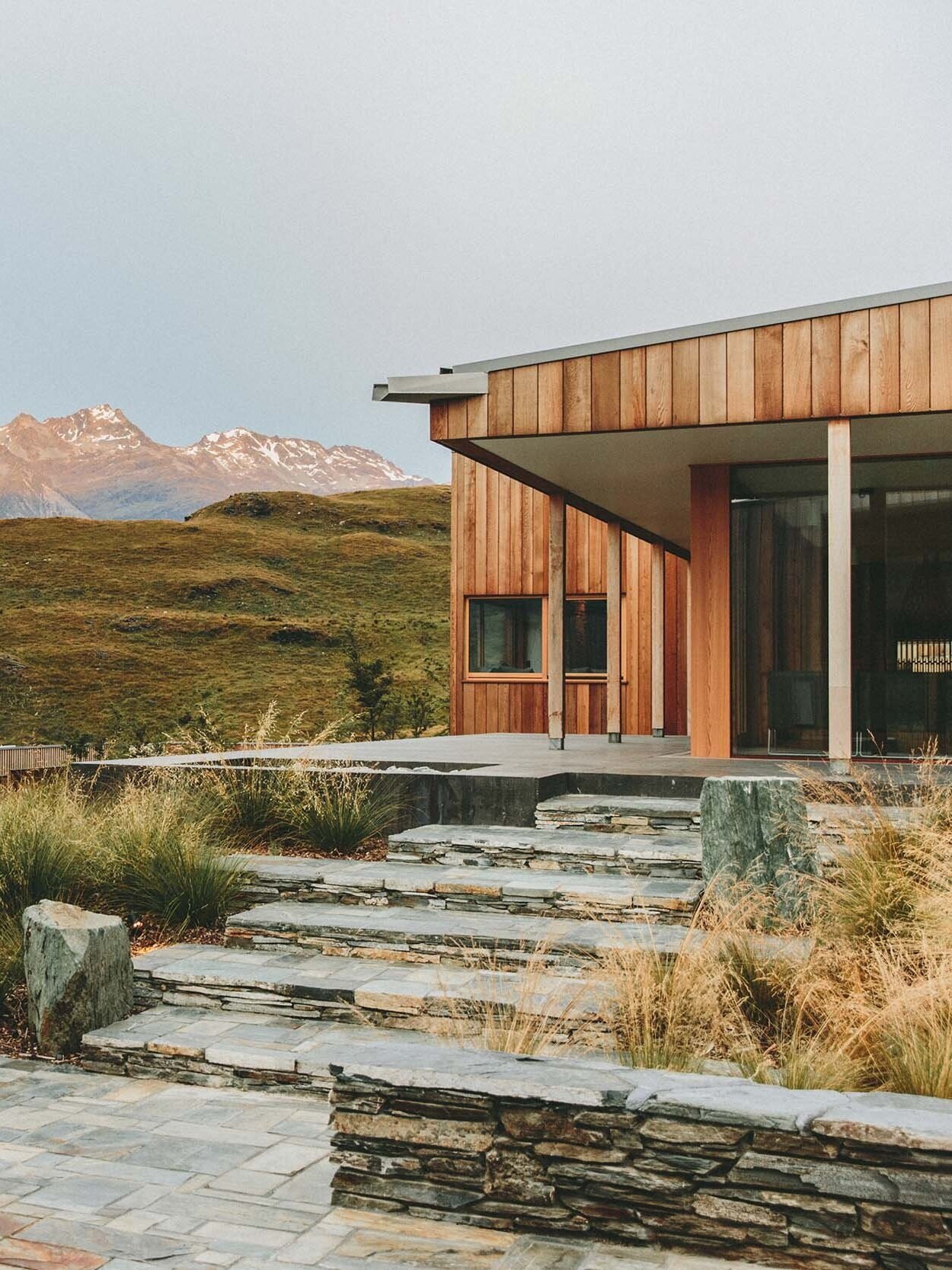
Flexible Use
Value and Cost of Ownership
Cost aligned more closely with actual use
Access to higher-quality properties without full ownership commitment
Ongoing costs shared between owners
A more efficient way to enjoy a holiday property
The crucial “Cost per Night” measurement
What to Look Out For
A well-structured fractional arrangement should offer:
clarity over what you own
flexibility in how the property is used
transparency in costs and management
What to Avoid
Fixed usage
Limited lifespan (e.g. 7-10 years)
Unclear costs
Complex booking systems
High “Cost per Night”